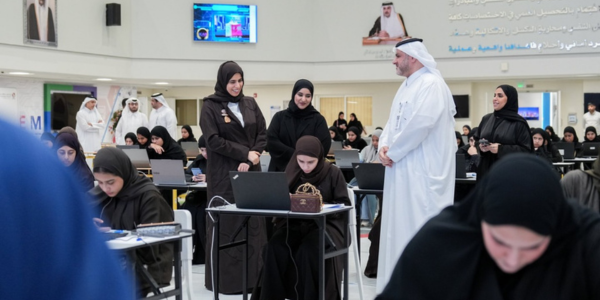

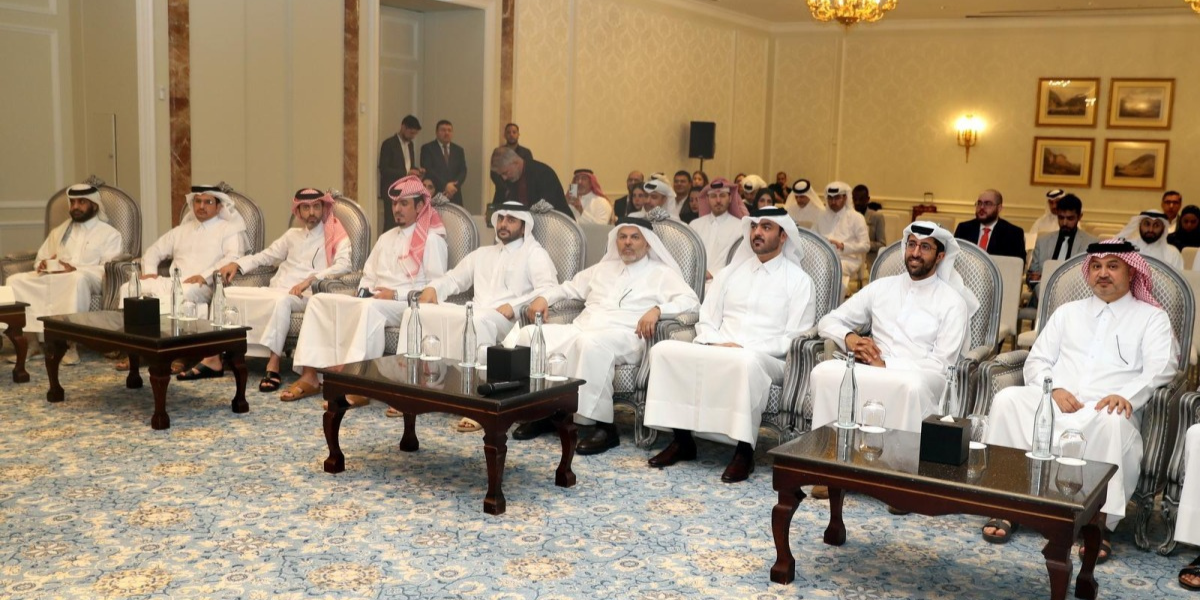
A Ministry of Transport (MoT) workshop reviewing the findings and recommendations of the “Study of the Competitive Position of Hamad Port” has concluded, with MoT Undersecretary H E Mohammed Abdullah Al‑Maadeed attending alongside representatives from partner entities and the project team.
Opening the session, Al‑Maadeed highlighted Qatar’s significant progress in strengthening its transport infrastructure in recent years. He noted that the country has made major investments in developing modern ports, airports, free and logistics zones, and a world‑class road network advancements that have positioned Qatar among leading global economies in terms of infrastructure readiness.
Al‑Maadeed stressed that this level of readiness brings with it a strategic responsibility: ensuring strong returns on these investments and converting them into sustainable economic value. He emphasized that developing the logistics sector is central to achieving this goal, as it plays a crucial role in enhancing Qatar’s long-term competitiveness and bolstering its integration into global supply chains.
He described Hamad Port as the core of Qatar’s logistics landscape, serving as the operational hub where the nation’s infrastructure network including roads, free zones, and supply chains comes together. Operating the port at full capacity, he added, means mobilizing this entire ecosystem rather than focusing on a single facility.
He underscored that strengthening the competitiveness of Hamad Port is not merely an operational preference but a national strategic priority, enabling the broader infrastructure network to fully support economic growth and deliver meaningful impact.
During the workshop, participants reviewed an assessment of Hamad Port’s competitive standing both regionally and internationally. The presentation also outlined the study’s major findings, proposed recommendations, and initiatives designed to enhance the port’s performance, along with implementation mechanisms.
The study further addressed challenges affecting cargo traffic growth, including procedural and cost-related barriers. It offered practical recommendations and proposed actions to mitigate these issues and reinforce the port’s overall competitiveness.