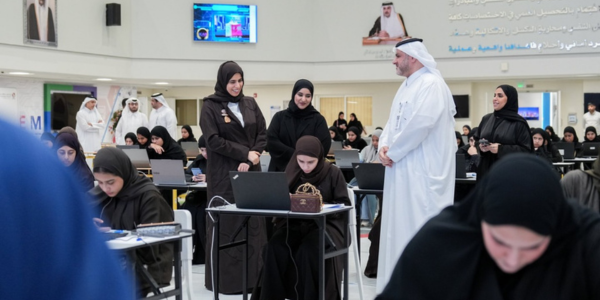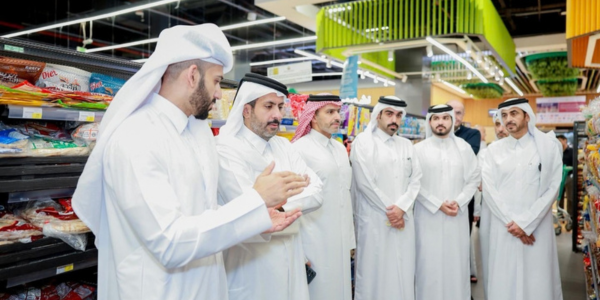

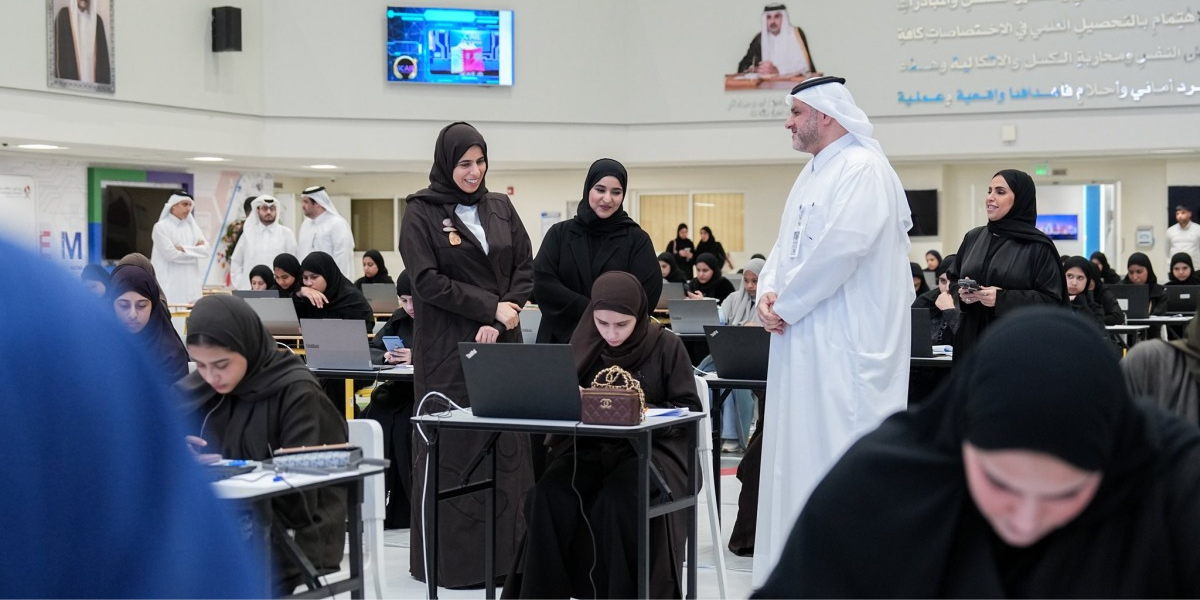
Minister of Education and Higher Education H E Lolwah bint Rashid bin Mohammed Al Khater carried out an inspection visit to oversee the admission examinations for enrolment at the Qatar Science and Technology School for Girls for the 2026–2027 academic year.
During the visit, the Minister reviewed the organisation of the mathematics entrance test and assessed the overall readiness of the educational setting, including examination procedures and facilities.
In a statement, the Ministry of Education and Higher Education said that 402 students sat for the admission test, from whom 100 students will be selected to join the school. The programme represents the first expanded specialised science and technology education model dedicated exclusively to female students within the Qatar Schools for Science and Technology framework.
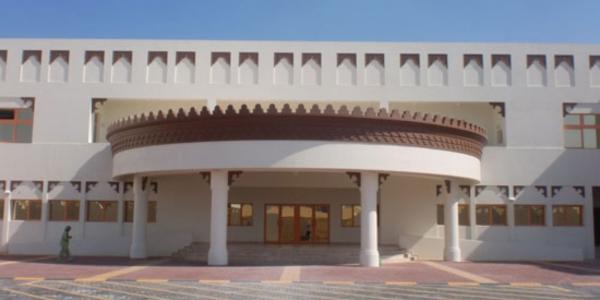
The Ministry noted that the opening of the girls’ school in Rawdat Al Hamama, alongside a newly established boys’ school in Al Sakhama, is part of a wider national plan to expand this advanced educational model. Admissions are also open at the boys’ school in Umm Al Seneem for Grades 7 and 9, reflecting Qatar’s commitment to offering high‑quality education aligned with future development goals and the needs of a knowledge‑based economy.
Qatar Schools for Science and Technology deliver specialised instruction in English, based on the Next Generation Science Standards (NGSS) and internationally recognised Advanced Placement (AP) curricula. This approach helps prepare students for leading universities in fields such as medicine, engineering, technology, and scientific research, while ensuring strong alignment between general education outcomes and higher education requirements.
The schools also provide advanced learning facilities, including modern laboratories for robotics, biomedical sciences, digital manufacturing, and renewable energy, enabling students to gain practical experience in emerging technologies and strengthen their skills in innovation and scientific research.
Admission requirements include achieving a minimum of 80 percent in mathematics, science, and English, in addition to successfully passing entrance assessments in mathematics, English (APTIS), cognitive abilities (CAT4), and Arabic, as well as a personal interview. These measures ensure that students’ abilities align with the programme’s intensive scientific curriculum.
To support equal access, the schools offer free and safe transportation services covering multiple areas across the country, making specialised science and technology education more accessible to national talent.